Everything You Need to Know to Get Started in Dance
From choosing the right class and finding a studio to knowing what your child needs for their first day, starting dance comes with a lot of questions. This guide will walk you through the basics and help you know what to expect along the way.
STARTING DANCE
What Every New Dance Parent Should Know
There’s no single right way to begin dance. Children start at different ages, studios offer different programs, and the experience can look completely different from one family to another. Some kids begin in a parent-and-child movement class before preschool, while others don’t step into a studio until elementary school, middle school or even later.
You don’t need to understand the entire dance world before registering for that first class. You just need enough information to make a few good decisions: when to start, what kind of class to consider, how to choose a studio, what your child will need and what the commitment might look like for your family.
That’s what this guide is here to help with. We’ll take you through it step by step, including some of the things new dance parents don’t always know to ask about until they’re already in it.
BEFORE YOU SIGN UP
Is Your Child Ready to Start Dance?
Age is only part of the equation. Your child’s independence, comfort in a group setting, and ability to follow simple directions can matter just as much. And if they’re not quite ready for an independent class yet, that doesn’t necessarily mean they’re too young for dance.

DEVELOPMENTAL READINESS
Look for signs that your child is ready for group classes.

POTTY TRAINING
Requirements may vary by studio and age group.

PARENT & ME CLASSES
A great option for younger or shy dancers.
CHOOSING A CLASS
Finding the Right Dance Class
From ballet and tap to hip-hop and acro, there are many options for new dancers. Learn about common first classes and how to choose the best fit for your child’s age, interests, and personality.

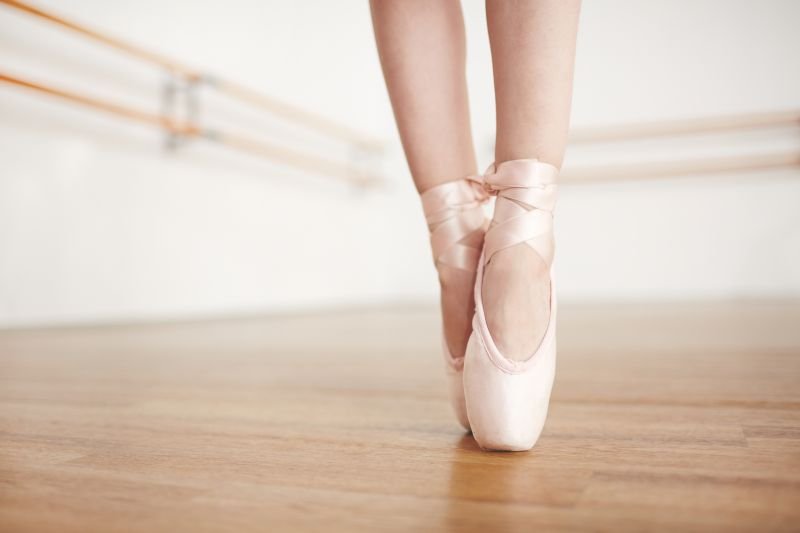
Ballet
A great foundation for many dancers.
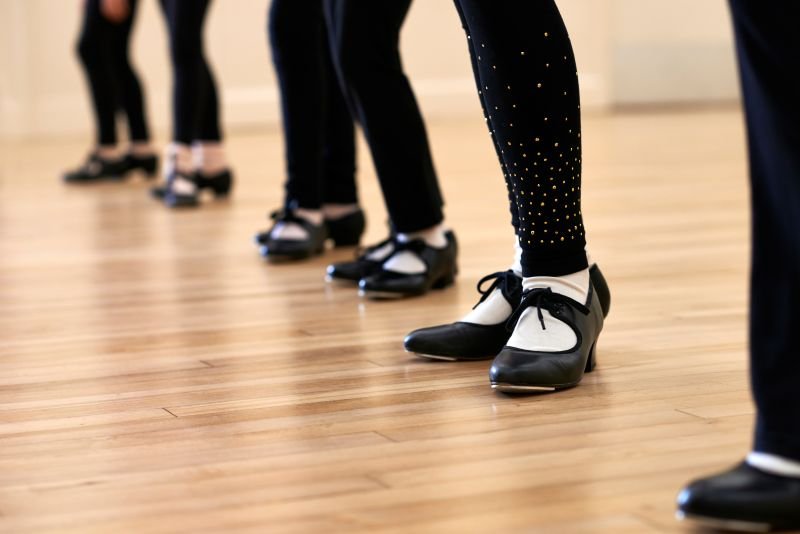
Tap
Fun, upbeat and helps build rhythm.
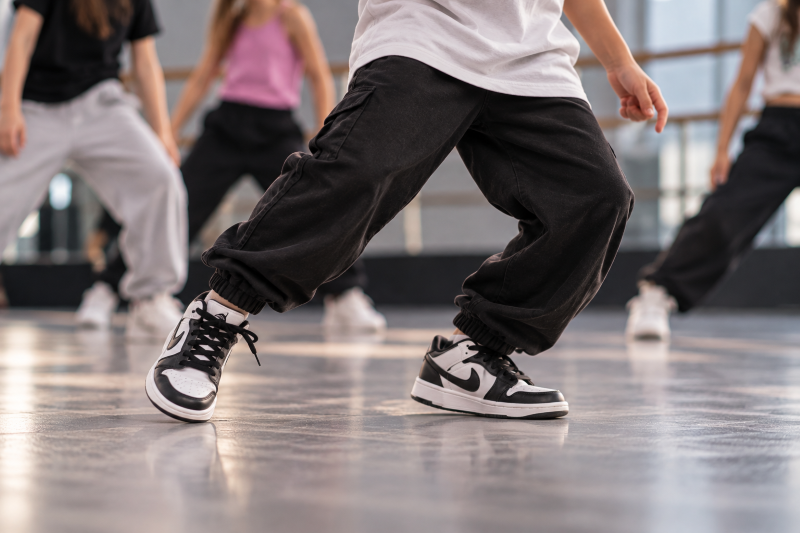
Hip-Hop
High energy and a popular choice for kids.
FINDING A STUDIO
Finding a Studio That Fits Your Family
Every studio is different. Here’s what to look for, the questions to ask and how to find an environment where your child will feel comfortable and supported.

Dance Classes & Programs Offered
Look at the ages, levels, and dance styles offered. Make sure there are beginner-friendly options and room for your child to grow.

The Studio Environment
Look for a welcoming atmosphere, supportive instructors, and a teaching style that fits your child’s personality and needs.

Schedule & Commitment
Consider class times, attendance expectations, rehearsals, and performances. Dance can involve more than one weekly class.

Understanding the Real Costs
Ask about tuition, registration, costumes, recital fees, and other expenses so you know what to expect throughout the year.
YOUR FIRST CLASS
What Does Your Child Actually Need?
You don’t need to buy an entire dance wardrobe before the first class. Find out what’s required, what to bring and how to prepare so that first day goes as smoothly as possible.
Every Dancer starts somewhere
The Beginning of Something Great
You don’t have to have everything figured out from day one. A little preparation, the right environment, and a willingness to try something new are all you need to get started.
FAQ
Frequently Asked Questions
Quick Answers to the most common questions new dance parents have.
There’s no single best age to begin dance. Many studios offer parent-and-child movement classes for toddlers and independent preschool classes starting around ages 2–4. Older children can also start with beginner classes designed for their age group. The right time depends on your child’s interests, developmental readiness, and the programs available.
It depends on the studio and the type of class. Many studios require children to be potty trained before joining independent preschool classes, while parent-and-child programs may have fewer restrictions. Check the studio’s requirements before registering, especially if your child is still working on potty training.
Creative movement and ballet/tap combination classes are popular starting points for younger children because they introduce basic movements, rhythm, and coordination. Older beginners may enjoy ballet, jazz, tap, or hip-hop depending on their interests. There’s no single style every child must learn first.
Not necessarily. Although ballet teaches foundational skills that can benefit dancers in many styles, most recreational programs don’t require children to take ballet first. Some competitive or advanced programs may have additional ballet requirements.
Always check the studio’s dress code before purchasing dancewear. Depending on the class, your child may need a leotard, tights, leggings, fitted athletic clothing, or specific dance shoes. Hair may also need to be secured away from the face. Some studios allow flexible attire for trial classes.
Every studio handles parent observation differently. Some have viewing windows or live video feeds, while others offer designated observation weeks. Many studios limit parents inside the classroom to help children focus and develop independence. Parent-and-child classes are an exception because adults participate alongside their children.
It’s fairly common for young children to feel nervous during their first few classes. Some need extra time to become comfortable with the instructor, other dancers, and unfamiliar surroundings. Ask the teacher how they handle separation and adjustment. If your child continues to struggle, a different class format or waiting a little longer may be worth considering.
Beginner classes for younger children commonly last around 30–45 minutes, while classes for older dancers may run 45–60 minutes or longer. Class length varies by age, dance style, and studio. Many beginners attend once per week, although some programs offer multiple weekly classes.
Many recreational dance studios hold an annual recital, but participation requirements vary. Some include recital preparation as part of the regular dance season, while others make performances optional. Before enrolling, ask about costumes, rehearsals, recital fees, ticket costs, and attendance expectations.
Absolutely not. Children can begin dancing at many ages, including elementary school, middle school, and their teenage years. Look for beginner classes appropriate for their age rather than placing them in classes with much younger children. While some advanced training paths benefit from an early start, recreational dance can be enjoyed at any age.
Costs vary significantly depending on location, studio, class length, and number of weekly classes. Beyond tuition, families may encounter registration fees, dancewear, shoes, recital costumes, performance tickets, and photography expenses. Ask for an estimated breakdown of the entire dance season before committing.
Pay attention to how your child feels about attending class over time, rather than judging their enthusiasm after one visit. Some children talk excitedly about what they’ve learned, while others show their enjoyment more quietly. Occasional reluctance is normal, but ongoing distress or consistently negative experiences are worth discussing with the instructor.