Dance Styles & Classes
Ballet, jazz, tap, hip-hop, and everything in between. Explore the different styles of dance, what each class involves, and how to find the right fit for your child.
Explore
Find the Right Style for Your Dancer
Each dance style offers something unique. Click on a style below to jump to that section and learn more about what it involves, typical ages, and what your child can expect in class.
Ballet
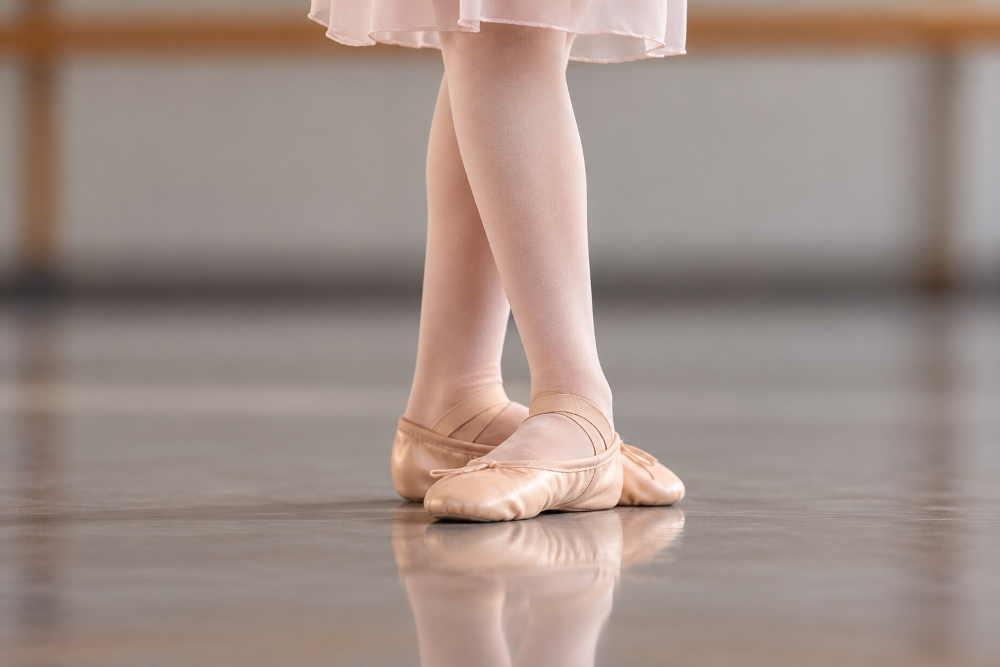
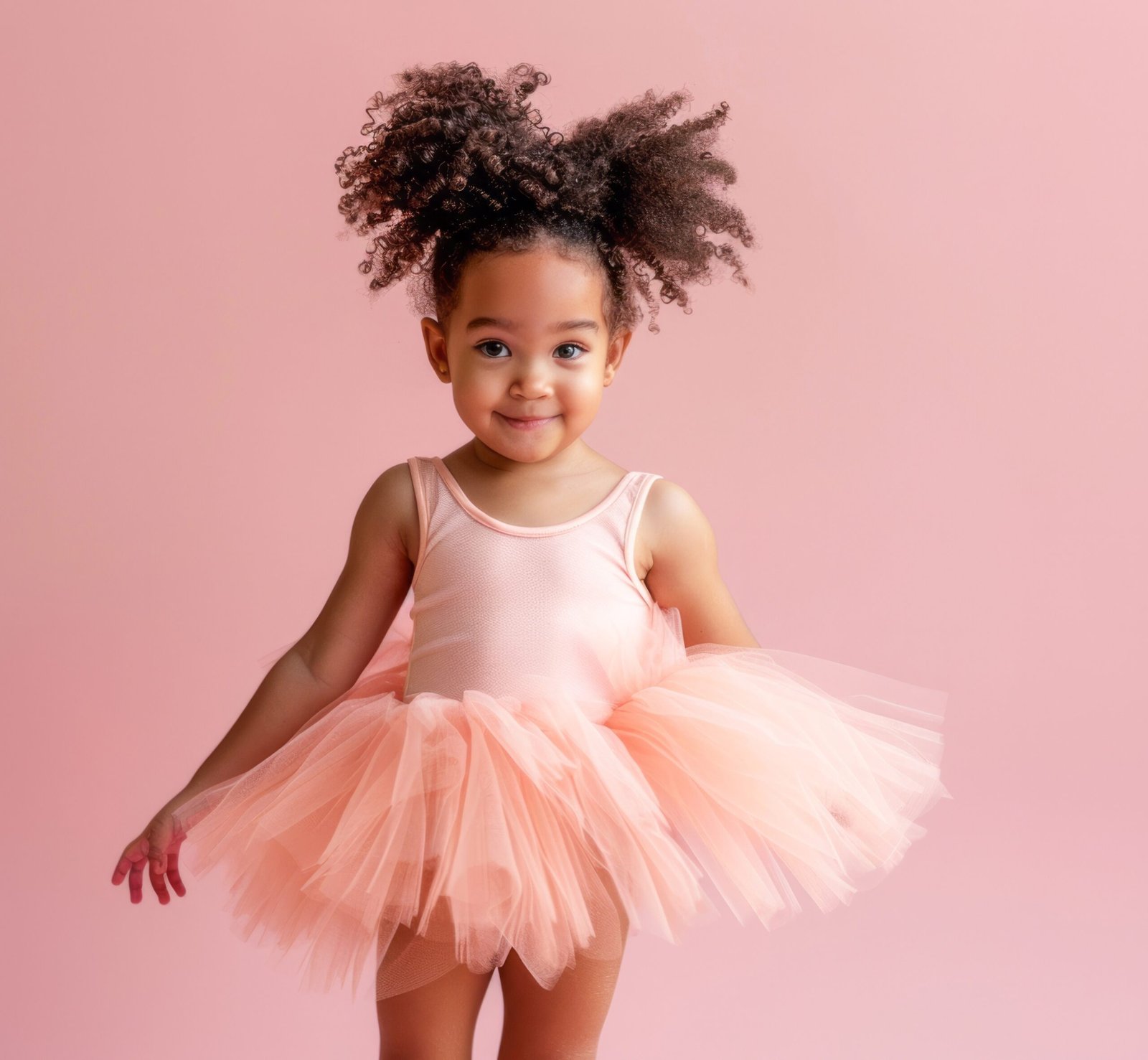
Ballet is one of the most recognized dance styles and provides a strong foundation for many other forms of dance. With an emphasis on technique, posture, balance, and controlled movement, ballet helps dancers develop strength, flexibility, coordination, and body awareness.
For younger children, classes typically introduce basic positions and movements through age-appropriate exercises, music, and creative activities. As dancers progress, lessons become more structured, building on fundamental skills while encouraging discipline, confidence, and artistic expression.
AT A GLANCE
Starting Age
Skill Level
Class Length
Class Options
What to Wear
Key Benefits
Typically 3–4 years old
Beginner to advanced
30-60 minutes
Recreational or Competitive
Leotard, tights, ballet slippers
Posture, balance, flexibility, technique
Jazz
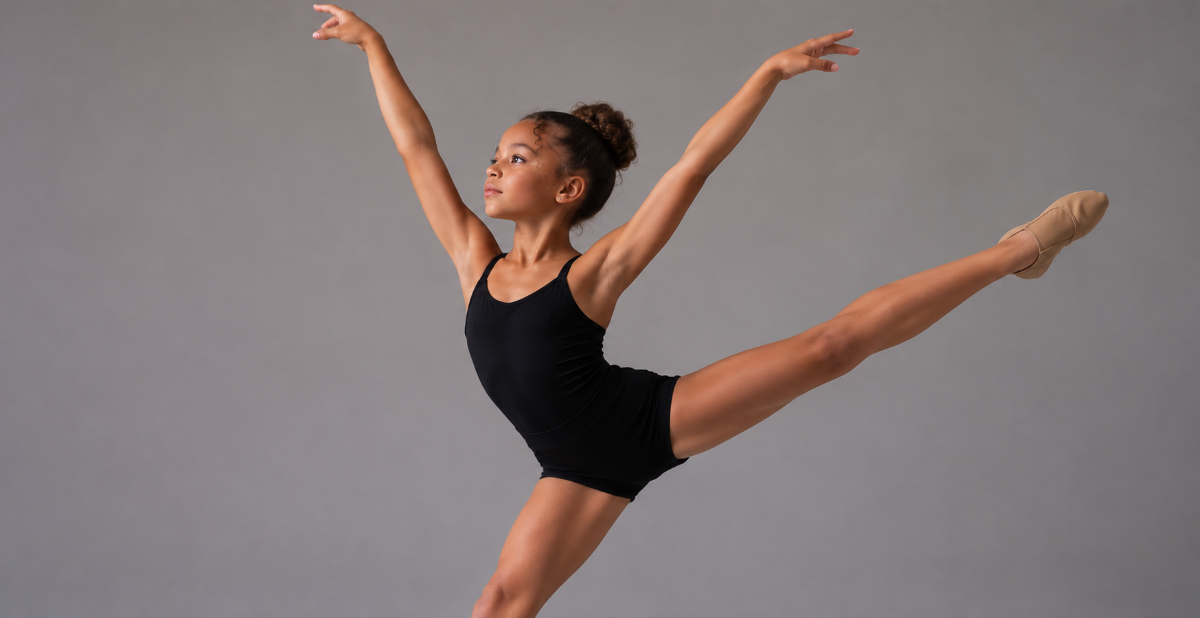
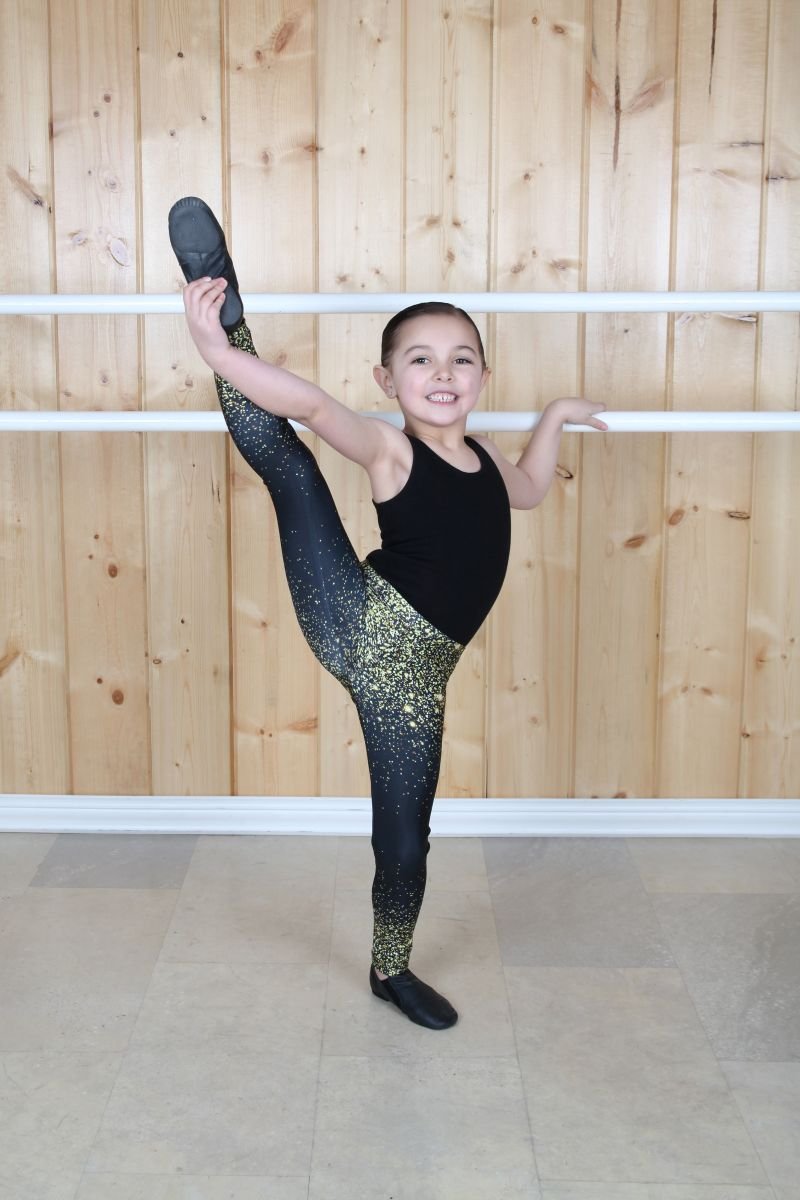
Ballet is one of the most recognized dance styles and provides a strong foundation for many other forms of dance. With an emphasis on technique, posture, balance, and controlled movement, ballet helps dancers develop strength, flexibility, coordination, and body awareness.
For younger children, classes typically introduce basic positions and movements through age-appropriate exercises, music and creative activities. As dancers progress, lessons become more structured, building on fundamental skills while encouraging discipline, confidence, and artistic expression.
AT A GLANCE
Starting Age
Skill Level
Class Length
Class Options
What to Wear
Key Benefits
Typically 3-4 years old
Beginner to advanced
30-60 minutes
Recreational or Competitive
Fitted dancewear, jazz shoes
Coordination, flexibility, musicality, confidence
Tap
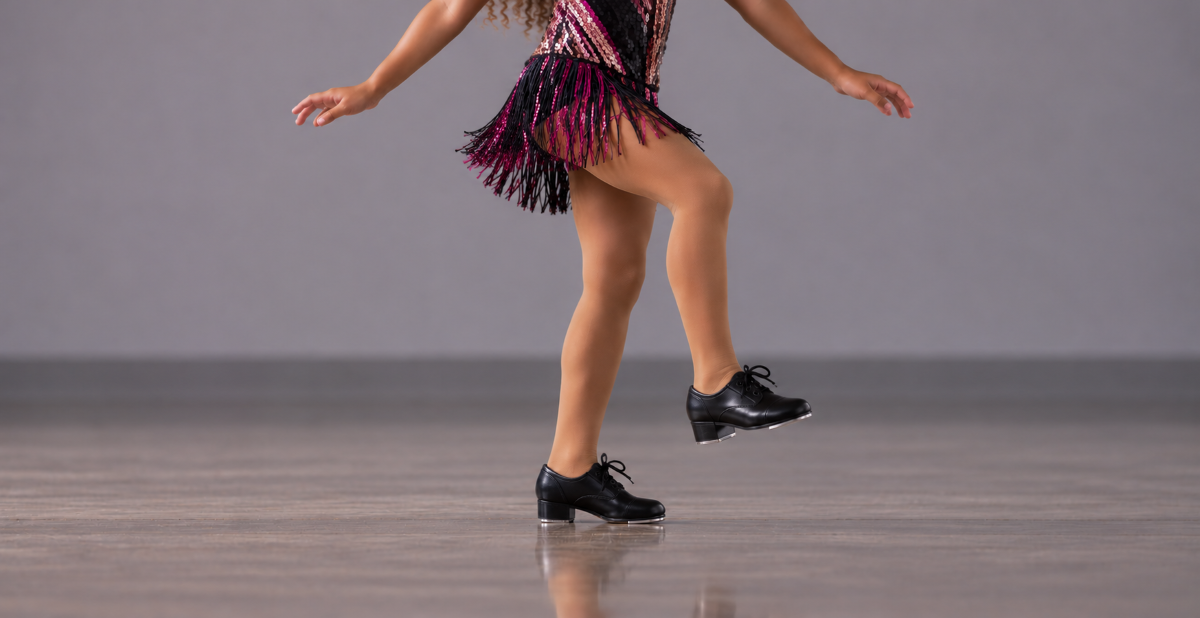
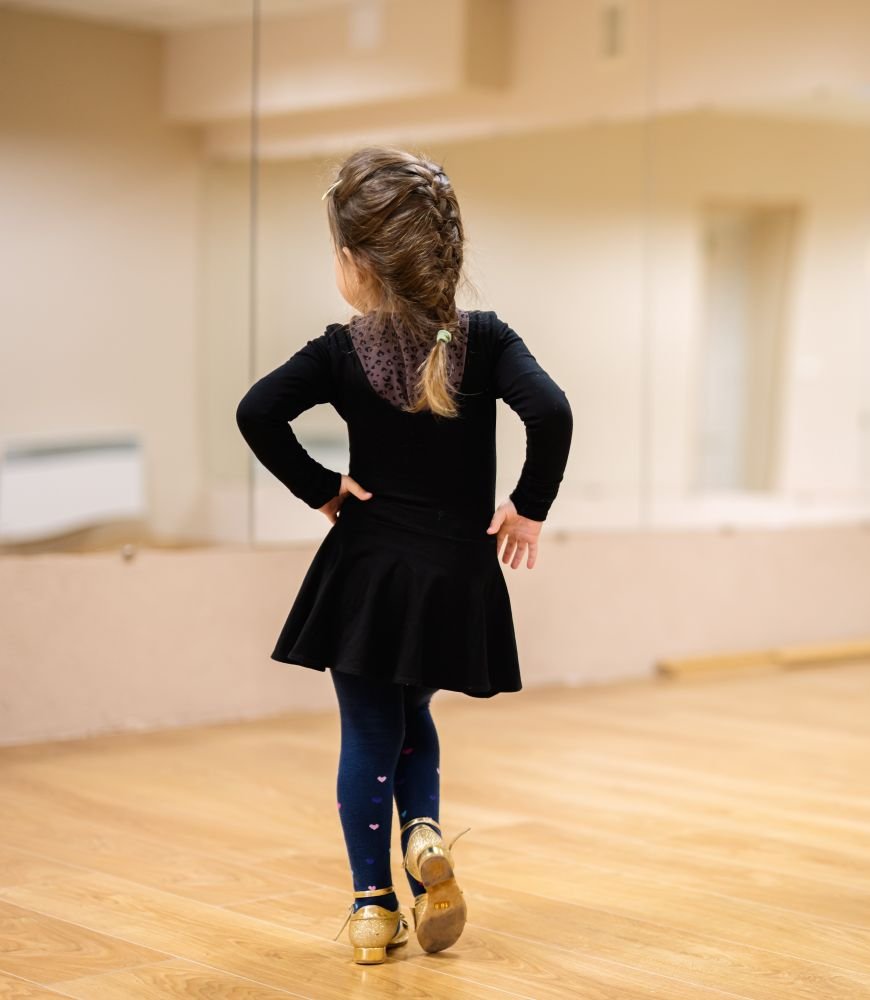
Tap is a rhythmic dance style that uses specially designed shoes with metal plates on the soles to create sounds through movement. Combining footwork, timing, and musicality, tap allows dancers to become part of the music while developing coordination, balance, and rhythm.
For younger dancers, classes typically introduce basic steps and simple rhythmic patterns through fun, age-appropriate activities. As dancers progress, they learn more intricate footwork, faster combinations, and choreography that challenges their timing, precision, and musical expression.
AT A GLANCE
Starting Age
Skill Level
Class Length
Class Options
What to Wear
Key Benefits
Typically 3–5 years old
Beginner to advanced
30-60 minutes
Recreational or Competitive
Comfortable dancewear, tap shoes
Rhythm, coordination, timing, musicality
Contemporary
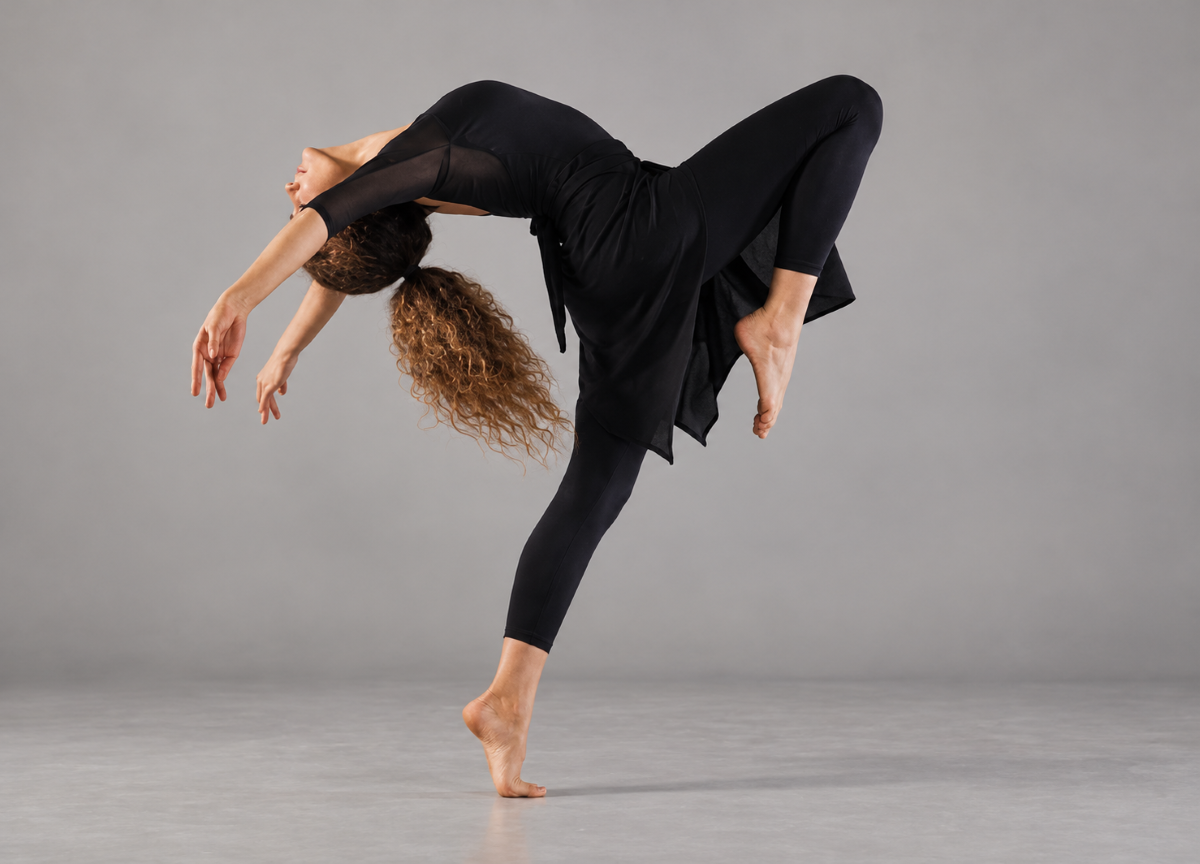
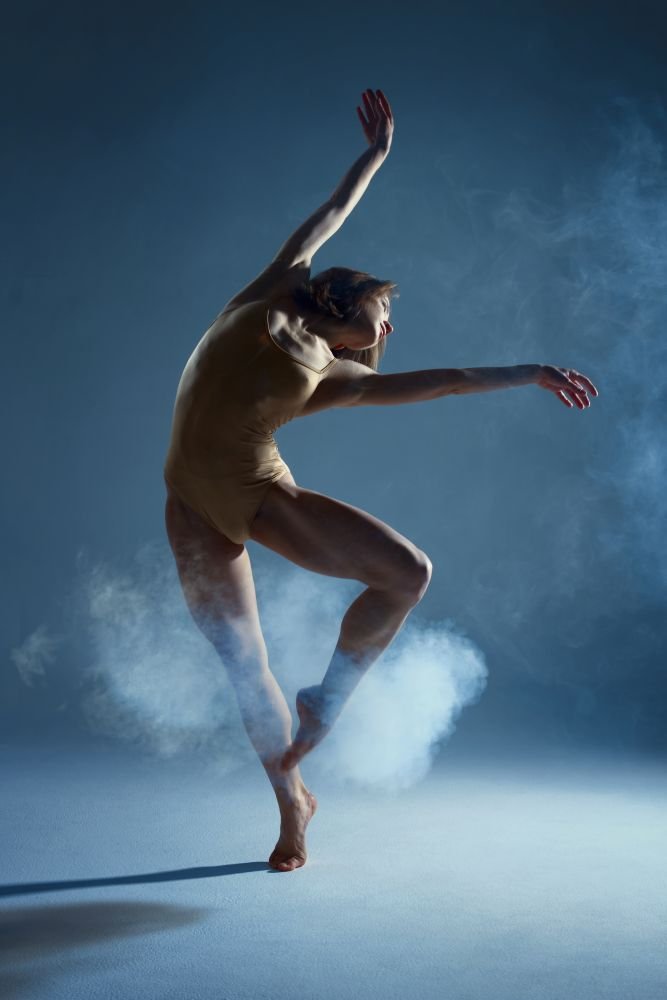
Contemporary is an expressive dance style that blends elements of ballet, modern, and jazz dance. Known for its fluid movements, floorwork, and creative choreography, contemporary encourages dancers to explore movement in new ways while developing strength, flexibility, balance, and body awareness.
For younger dancers, classes typically introduce basic contemporary techniques, creative movement, and simple combinations that encourage self-expression. As dancers progress, lessons incorporate more complex choreography, transitions, improvisation, and movement that emphasizes musical interpretation and emotional expression.
AT A GLANCE
Starting Age
Skill Level
Class Length
Class Options
What to Wear
Key Benefits
Typically 7-10 years old
Beginner to advanced
45-60 minutes
Recreational or Competitive
Fitted dancewear, bare feet or turners/foot undies
Flexibility, strength, creativity, expression
Hip-Hop
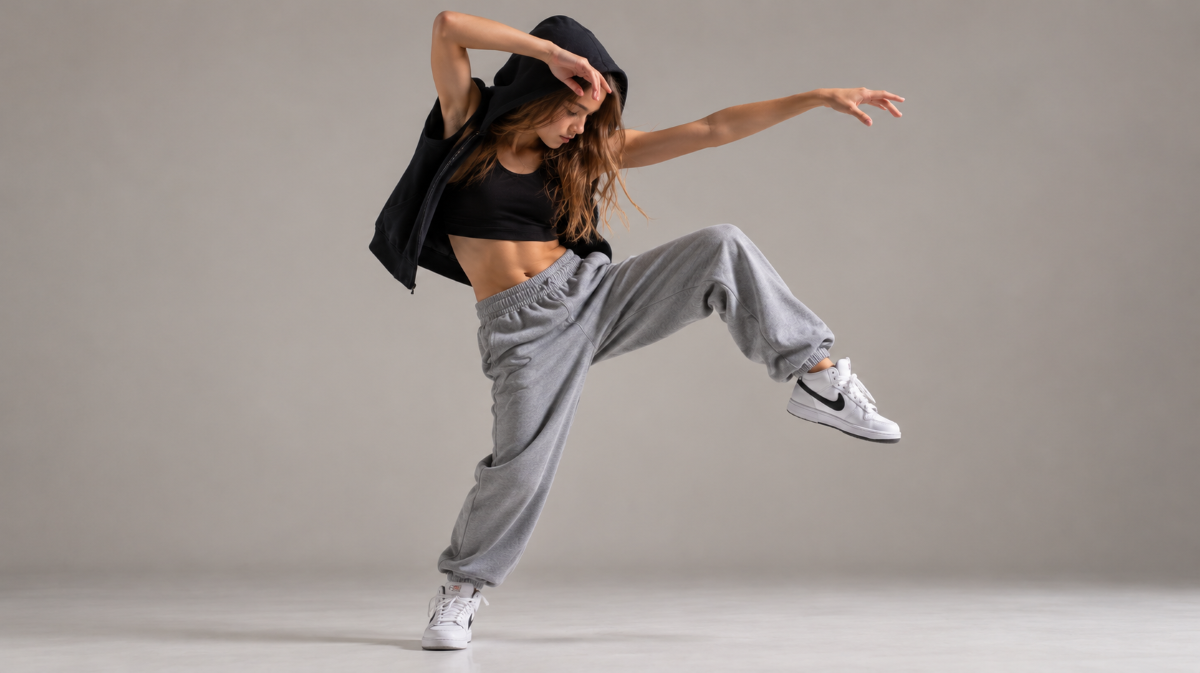
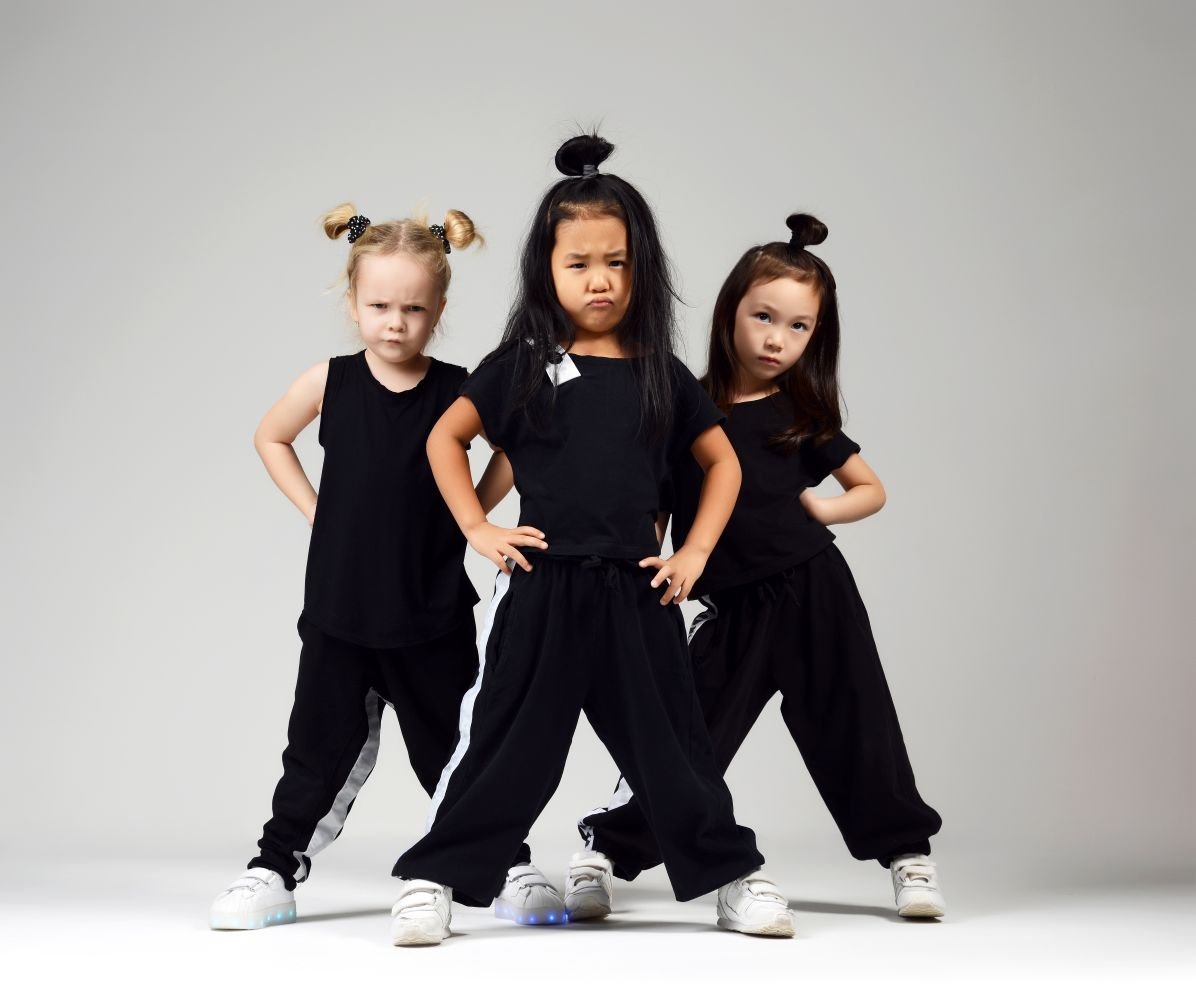
Hip-hop is a high-energy dance style that combines rhythmic movements, sharp isolations, footwork, and freestyle expression. Often performed to popular music, hip-hop encourages dancers to develop coordination, musicality, confidence, and their own personal style while learning choreography in a fun, upbeat environment.
For younger dancers, classes typically focus on basic grooves, rhythm, and simple combinations that encourage creativity and self-expression. As dancers progress, they learn more intricate choreography, faster footwork, and techniques that emphasize musical interpretation, precision, and individual style.
AT A GLANCE
Starting Age
Skill Level
Class Length
Class Options
What to Wear
Key Benefits
Typically 4-6 years old
Beginner to advanced
30-60 minutes
Recreational or Competitive
Comfortable athletic wear, clean sneakers
Coordination, rhythm, confidence, creativity
Lyrical
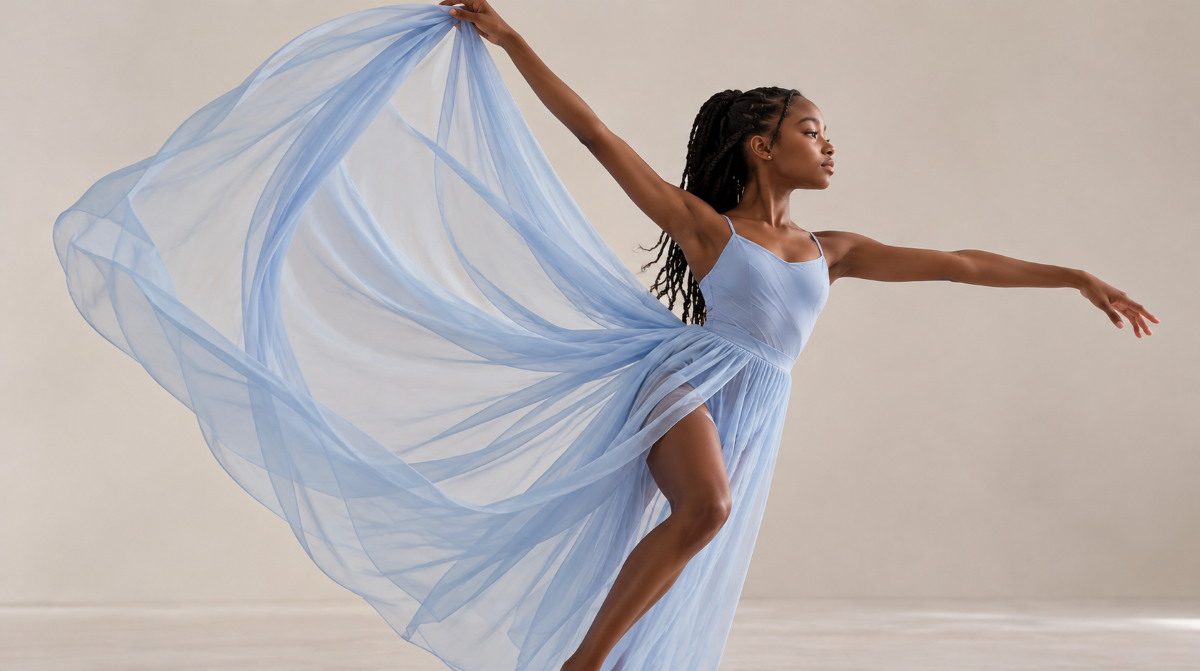
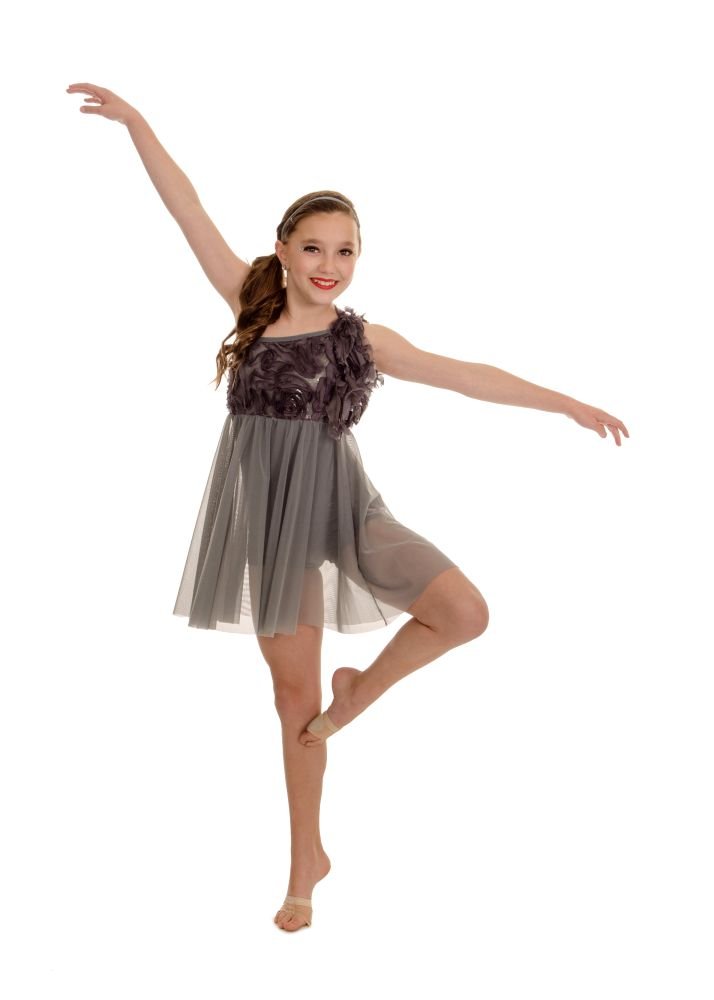
Lyrical is an expressive dance style that blends elements of ballet and jazz, using fluid movements and storytelling to interpret the emotions and lyrics of a song. With an emphasis on graceful transitions, musicality, and emotional expression, lyrical helps dancers develop flexibility, balance, control, and a deeper connection to the music.
For younger dancers, classes typically introduce basic lyrical movements, simple combinations, and age-appropriate choreography that encourages creativity and expression. As dancers progress, they learn more advanced techniques, turns, leaps, and choreography that emphasizes storytelling, musical interpretation, and connecting movement with emotion.
AT A GLANCE
Starting Age
Skill Level
Class Length
Class Options
What to Wear
Key Benefits
Typically 6-8 years old
Beginner to advanced
45-60 minutes
Recreational or Competitive
Fitted dancewear, turners/foot undies, bare feet
Flexibility, musicality, expression, balance
Acro
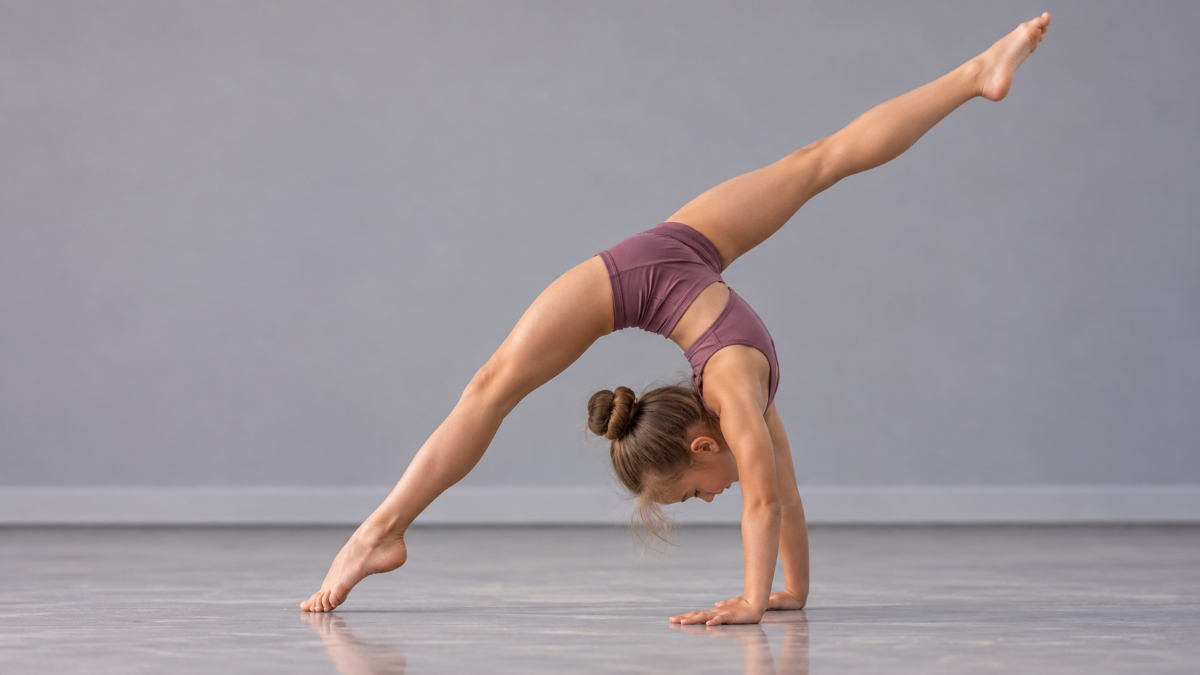
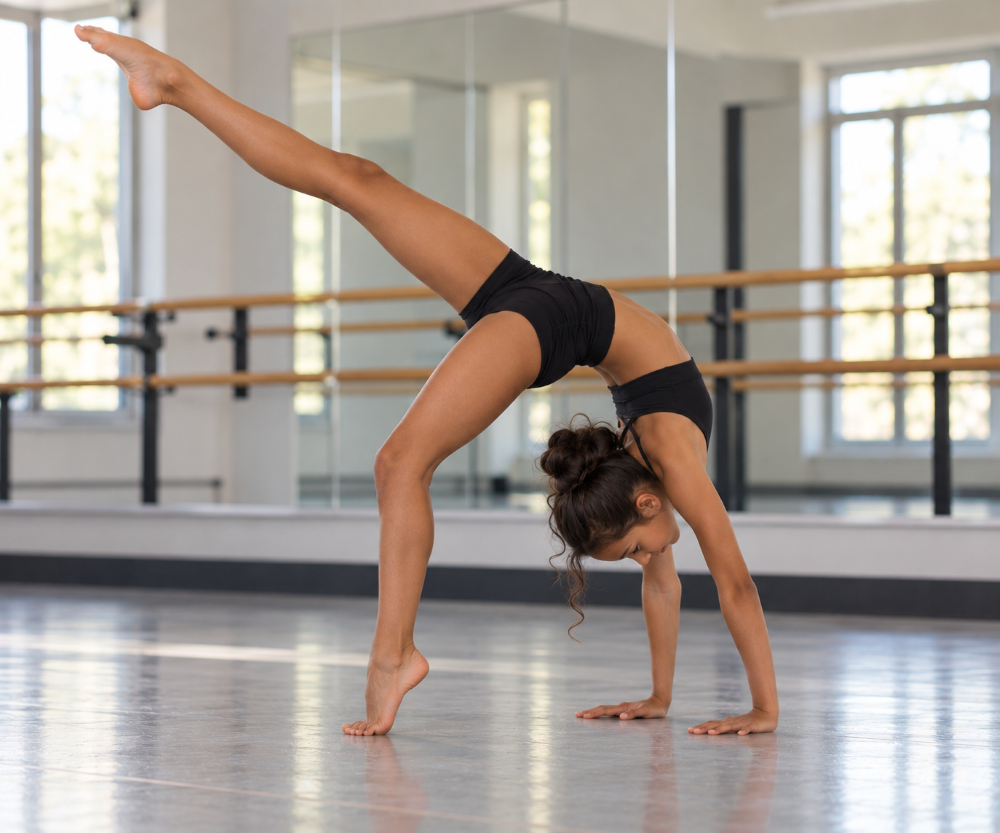
Acro, short for acrobatic dance, combines traditional dance techniques with elements of gymnastics, including balances, rolls, handstands, cartwheels, and other controlled movements. With an emphasis on strength, flexibility, coordination, and proper technique, acro helps dancers develop body awareness, balance, and confidence while learning new skills in a structured environment.
For younger dancers, classes typically focus on foundational movements, basic tumbling skills, and exercises that build strength and flexibility. As dancers progress, they learn more challenging tricks, partner balances, and transitions that incorporate acrobatic skills into dance choreography, with an emphasis on safe technique and controlled movement.
AT A GLANCE
Starting Age
Skill Level
Class Length
Class Options
What to Wear
Key Benefits
Typically 3-5 years old
Beginner to advanced
30-60 minutes
Recreational or Competitive
Fitted dancewear, bare feet
Strength, flexibility, balance, coordination
Musical Theater
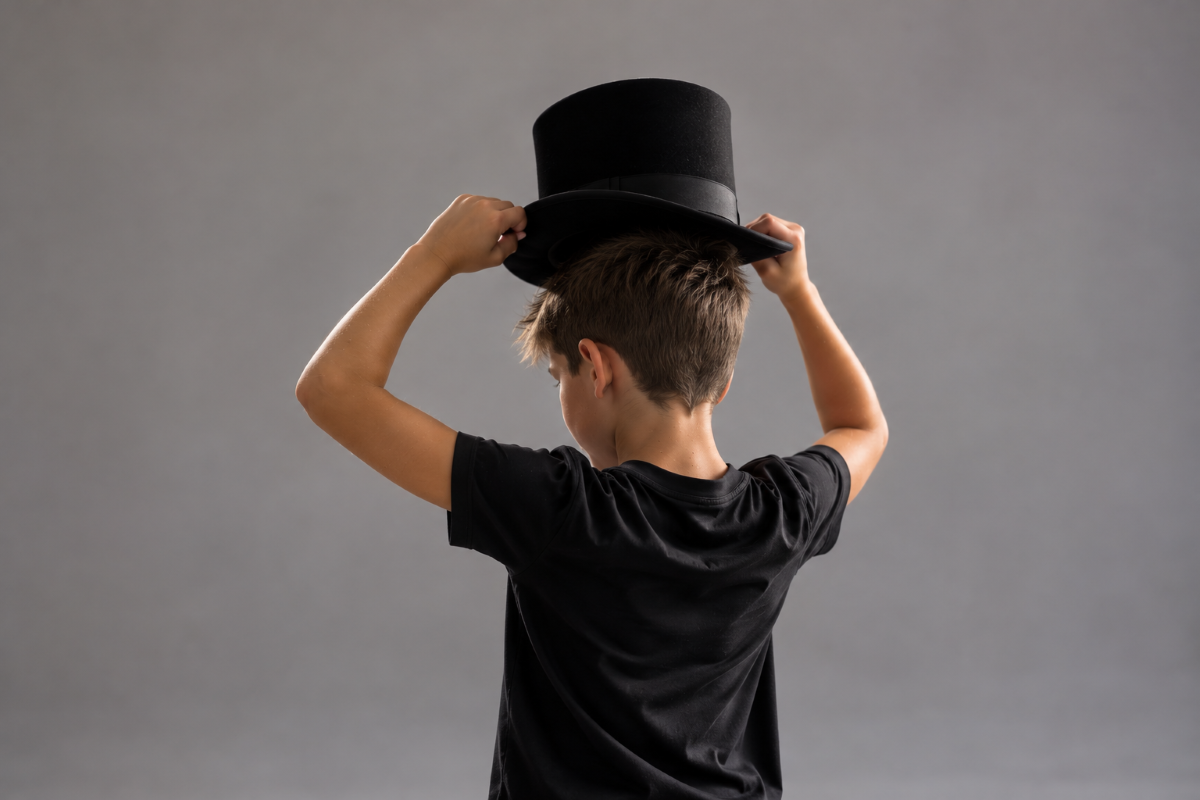
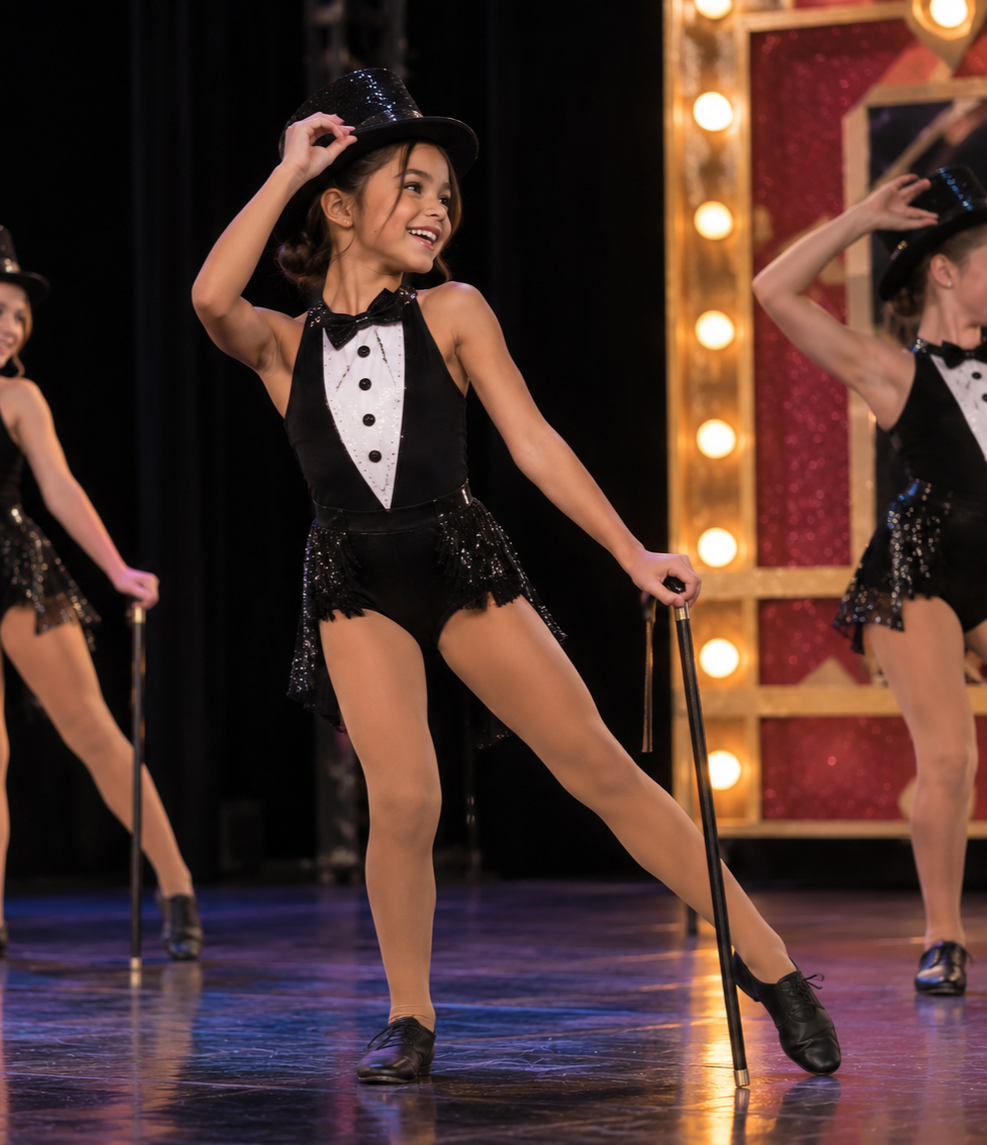
Musical theater dance combines elements of jazz, ballet, and theatrical performance to bring stories and characters to life through movement. Often inspired by Broadway musicals and stage productions, this style emphasizes expressive choreography, musicality, stage presence, and storytelling while helping dancers develop coordination, confidence, and performance skills.
For younger dancers, classes typically introduce basic dance steps, character movements, and fun choreography inspired by popular musicals. As dancers progress, they learn more complex routines, develop stronger performance techniques, and explore how facial expressions, gestures, and movement work together to tell a story on stage.
AT A GLANCE
Starting Age
Skill Level
Class Length
Class Options
What to Wear
Key Benefits
Typically 5-7 years old
Beginner to advanced
45-60 minutes
Recreational or Competitive
Comfortable dancewear, jazz shoes
Confidence, musicality, expression, stage presence